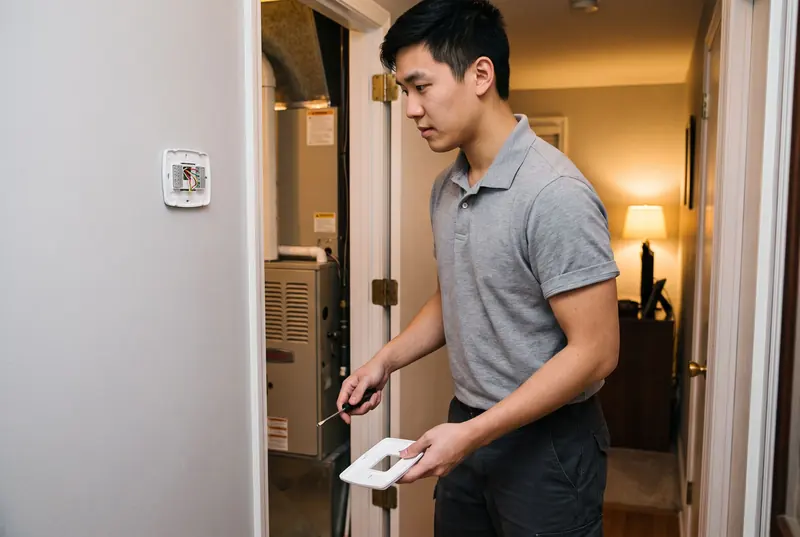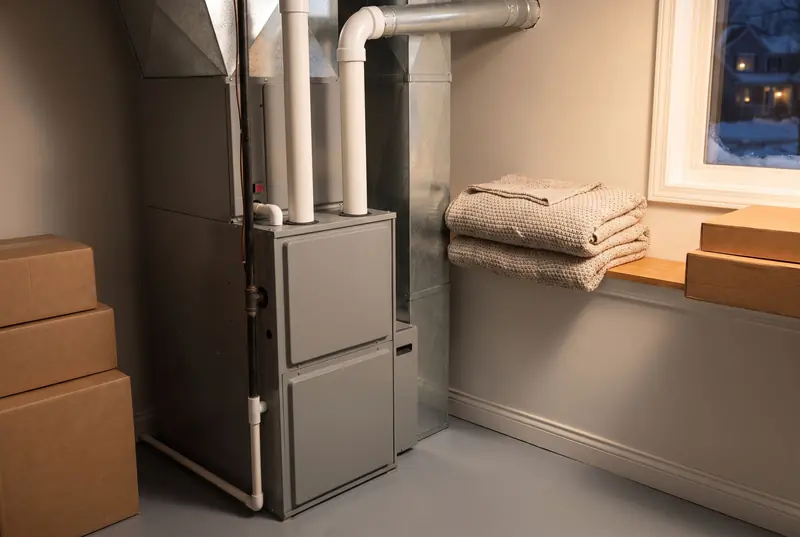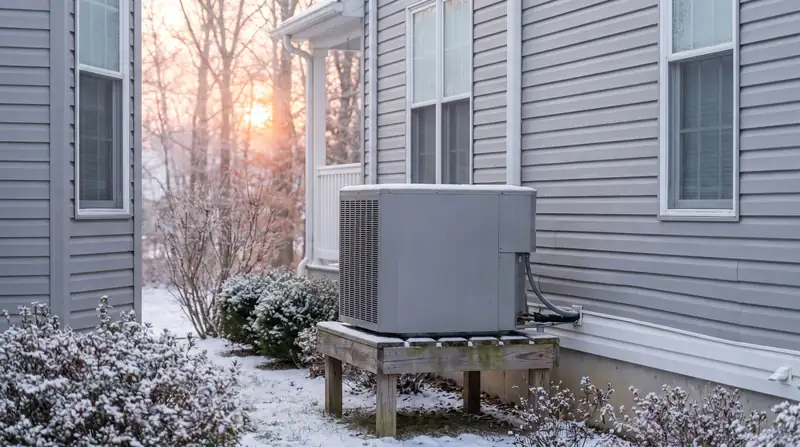

No two heating systems break the same way, and in Norfolk homes the first question on any no-heat call is what kind of equipment we are dealing with. Furnaces most often quit on an oxidized flame sensor. The burners fire, the sensor fails to confirm the flame, and after three attempts the control board closes the gas valve and locks the system out. Cracked hot surface igniters, sticking pressure switches, plugged condensate traps on high-efficiency units, and tired blower motors round out the usual list. Heat pumps have their own failure patterns. A defrost cycle that falls short lets ice build up on the outdoor coil, a bad reversing valve traps the system in cooling mode, and a dead outdoor unit hands the whole load to the electric backup strips, which cost several times as much to run.
The repair homeowners call us about most is Furnace Repair. Start there if your system isn't running right.
Warning Signs for Heating Repair
Spotting the early warning signs lets you act before the problem gets expensive. Keep an eye out for the following clues:
- Thick ice or frost covering the heat pump outside
- Banging at startup caused by burners lighting late
- Energy costs climbing even though the house feels colder
- The furnace clicking and trying to light but shutting back down
- Cold rooms in one part of the house while others are comfortable
- A rotten-egg, burning, or musty smell once the heat kicks on
- Cold air, or no air at all, when the thermostat calls for heat
- Frequent on-off cycles that never bring rooms up to temperature
Don't Wait for a Total Failure
Most HVAC failures start small, a weak capacitor, a squealing blower, a system that runs a little longer each week. At the first hint of a problem, call (757) 514-5408 for a fast inspection.